Back to Basics:
Moving from the city to the countryside, we embraced an old-school style of farming focused on community and health.
"Inspiring change through sustainable practices"
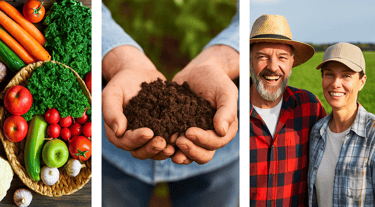
Our story began with a personal leap of faith – trading city life for a humble plot of land in the country. After years in the urban “rat race,” we craved a simpler, healthier way of living. Like many others who left the “nine-to-five bubble” for a life on the land, we sought to reconnect with nature and our food. We settled in a rural community where neighbours still swap stories (and produce) over the fence. This move opened our eyes to the need for a back-to-basics, community-based approach to food and farming. We learned firsthand that farming isn’t just about growing crops – it’s about cultivating a healthier lifestyle for ourselves and our neighbours.
In those early days, we found inspiration in traditional farming wisdom passed down through generations. We also rolled up our sleeves alongside local farmers, who taught us how caring for the soil and tending crops with natural methods can yield food rich in flavor and nutrients. This personal journey reaffirmed our belief that better health through farming and food is possible when we respect the land. Growing our own vegetables without synthetic chemicals not only improved our physical health but also brought a sense of fulfillment and community connection. We saw that when a community comes together around wholesome food – from weekend farmers’ markets to shared harvest dinners – it revives the kind of supportive, healthy lifestyle that modern city living often lacks.
Our Journey to the farm
You Are What You Eat:
How food is produced truly matters – “how we farm does affect the quality of the food we eat. In industrial agriculture and factory food production, what goes in creates what comes out. In other words, if we put artificial fertilizers, pesticides, and other chemicals into the farm ecosystem, those substances can end up in our crops, our livestock, and ultimately our bodies. Shiny apples and bright vegetables from conventional farms often carry invisible baggage: residues of the chemicals used to grow them. In fact, a recent analysis found that over 75% of non-organic fruits and vegetables had pesticide residues. These residues are consumed by unwitting families, contributing to an array of health concerns. Essentially, we are what we eat – and what our food was grown in or treated with.
On the flip side, when farmers choose natural and regenerative inputs, the benefits are passed on to you through more nutritious, cleaner food. Research has shown clear differences when food is grown the old-fashioned way. Organic produce tends to contain higher levels of health-promoting nutrients – one comprehensive study found significantly more antioxidant compounds in organic fruits and veggies (19%–69% more, depending on the nutrient) and far lower levels of toxic heavy metals and pesticide residues compared to conventionally grown. Another preliminary scientific comparison of farms found that healthier soil practices lead to more nutritious crops: regenerative farms (which avoid synthetic fertilizers and chemicals) produced foods with higher levels of vitamins, minerals, and phytochemicals, and even meats with better omega-3 fatty acid profiles, than their conventional. In short, farming with nature instead of against it means the food that reaches your plate is richer and safer. We take this “food as medicine” philosophy to heart by feeding our soil with compost and cover crops rather than industrial chemicals – and the result is produce teeming with natural goodness, not pesticide residues.
Furthermore, avoiding chemical-intensive practices may help preserve nutrients that are often lost in industrial farming. Studies suggest that conventional high-input farming – heavy tillage, synthetic nitrogen fertilizers, and pesticides – has contributed to declining nutrient density in crops by disrupting the beneficial soil life that plants rely on. By contrast, our old-school farming approach works with the soil’s ecology, so that our vegetables and fruits can draw up a full spectrum of minerals and develop robust flavors. We like to say that healthy soil = healthy food = healthy people. Every compost pile we turn and every cover crop we plant are investments in the vitality of our soil microbiome, which in turn delivers more nourishment to you through the food we grow.

Why Input Matter
Cultivating Community and Farmer Wellbeing
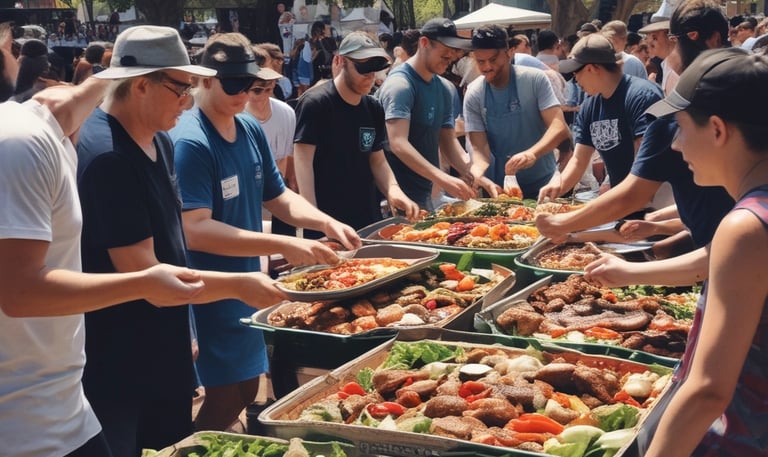
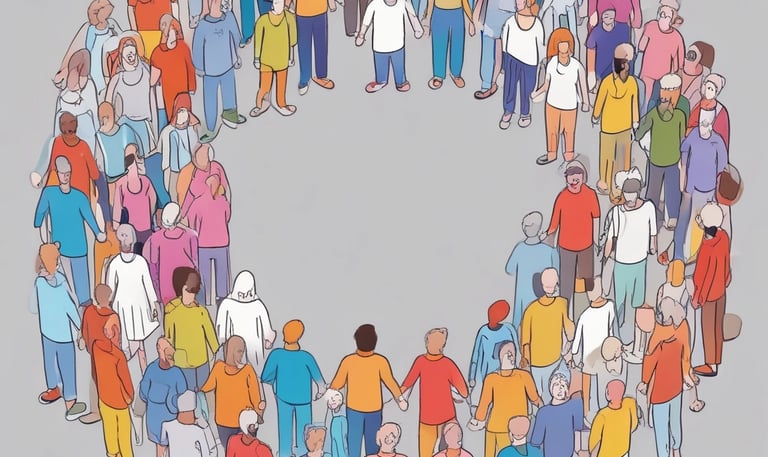

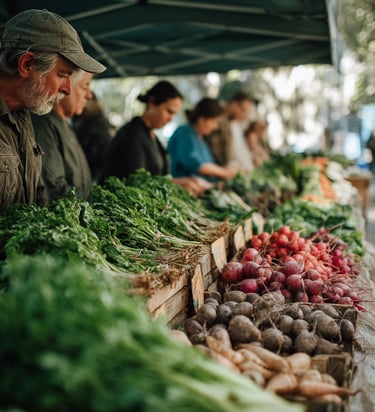
We don’t just grow food; we aim to grow a community and a healthier way of life for everyone involved – from our customers to our farmers. A core part of our philosophy is rekindling the sense of community that is often lost in modern, big-box food systems. On our farm, we know the names of the people who enjoy our produce, and they know ours. We host farm tours, volunteer days, and weekend markets that bring neighbors together. This communal spirit is not only heartwarming – it’s also key to resilience. After all, growing food enables communities to be resilient, transfer knowledge, and connect to the land. By involving local families in everything from planting days to harvest festivals, we’re reviving the old-school notion that food is a shared experience. This community-based approach means we support each other – when one farmer has a bumper crop of tomatoes, everyone makes sauce; when another struggles with a pest, everyone shares advice. It’s a back-to-basics mutual aid system that benefits us all.
Crucially, our commitment to sustainable, chemical-free farming is also about protecting the health and wellbeing of farmers themselves. In conventional agriculture, farm workers and growers are on the front lines of exposure to toxic chemicals. From mixing pesticide tanks to spraying fields, farmers often handle high volumes of chemicals daily, and this hazardous work environment threatens their health. Studies have found that long-term pesticide exposure in farming is linked to higher rates of serious illnesses – for instance, certain pesticides can lead to cancers or neurological diseases like Parkinson’s in those who use them .We refuse to subject anyone on our team to those dangers. By farming organically, we eliminate the need for masks, hazmat suits, and chemical cocktails, creating a safer and healthier workplace. Our farmers can breathe easy (literally) knowing they aren’t inhaling noxious fumes or absorbing poisons through their skin.
What’s more, farming in harmony with nature appears to support better mental health and overall wellbeing for farmers. Research suggests that organic and regenerative farmers often experience less stress and more satisfaction compared to those practicing conventional farming. In fact, surveys have found that organic farmers report significantly lower anxiety and higher positive emotions than conventional farmers. It makes sense – working with the land, seeing your community nourished, and not worrying about toxic exposures can uplift the spirit. We can personally attest that the joy of watching a seed grow (without synthetic “help”) and then handing that wholesome food to a neighbor is profoundly rewarding. There’s a growing recognition that sustainable farming models benefit everyone involved: they’re gentler on the environment, better for consumers, and healthier for farmers, both physically and psychologically. By prioritizing farmer wellbeing, we ensure that our passion for healthy food doesn’t come at the cost of our own health or that of our crew.
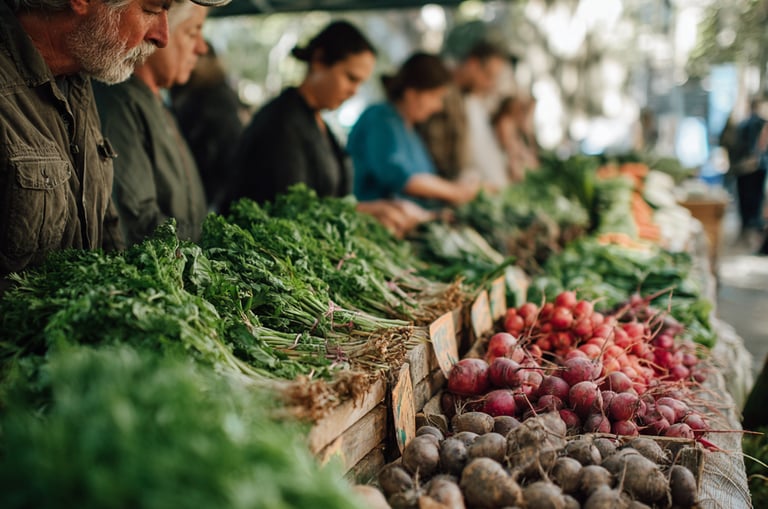
Finally, our community-oriented approach means we value transparency and trust. We invite you to know your farmer and even visit the fields where your food is grown. This connection builds mutual respect – you have confidence that your food is truly chemical-free and nutrient-rich, and we find motivation in the appreciation and feedback from you. Together, we’re creating a local food system where health, safety, and welfare are front and center for all participants. In an era when industrial food supply chains feel impersonal and opaque, we’re proud to be a place where consumers and producers form a healthy partnership centered on wholesome, honest food.
Our Commitment to Healthier Food and Future
In summary, we are dedicated to farming as if health matters – because it does. By returning to basics and refusing to compromise on our principles, we produce clean, healthful food that you can trust. Every vegetable, fruit, or egg that leaves our farm is grown without chemical fertilizers, pesticides, or GMOs, and with methods that protect its natural nutrients. We envision a future where farms like ours are not the exception but the norm: where communities rally around local farmers, where food is medicine, and where both the land and the people who tend it thrive.
Thank you for being part of this journey. When you support our farm, you’re not just buying groceries – you’re investing in a healthier you, a healthier community, and a healthier planet. Together, we’re proving that the old ways of farming, combined with modern knowledge, can solve very modern problems – from chronic disease to environmental decline – by simply growing and eating food the right way. We invite you to join us in this back-to-basics movement. Let’s nourish our bodies with real, chemical-free food and cultivate well-being for generations to come
Our approach is informed by a growing body of research and real-world farming experience. Notable references include the International Agency for Research on Cancer’s findings on glyphosate, studies comparing organic and conventional food nutrition nutrition, the Environmental Working Group’s pesticide report, and research on farmer health in sustainable agriculture, among others. Each of these sources reinforces the same simple truth: healthy farming means healthy food, healthy people, and a healthy community. We’re committed to upholding that truth every day on our farm.
Get Involved
Join us in our mission to promote regenerative agriculture and help feed those in need through donations, volunteering, and spreading awareness about our cause.
Our Mission
At Two Helping Hands, our mission is to empower small farmers, community growers, and families to reclaim their health and independence through regenerative farming. We teach practical, chemical-free methods rooted in permaculture and traditional wisdom — growing nutrient-dense food that heals people, soil, and communities. Through hands-on education, local support networks, and our projects Farm2Local and FarmMate, we’re rebuilding a food system that puts wellbeing, connection, and sustainability first.

Two Helping Hands changed my life by teaching me sustainable farming while helping those in need.
Freddie Sjolund


I love how this initiative combines education and charity, making a real difference in our community.
Mary Anne Hough


★★★★★
★★★★★
© 2025. All rights reserved. Two Helping Hands